Materials
T-shirt fabric selection guide for brands and wholesale buyers
How to talk about t-shirt fabrics with a manufacturer: fiber, knit, GSM, and what those choices change in fit and decoration.
Urban Stitch Wear editorial · Published 2 April 2026 · Updated 2 April 2026
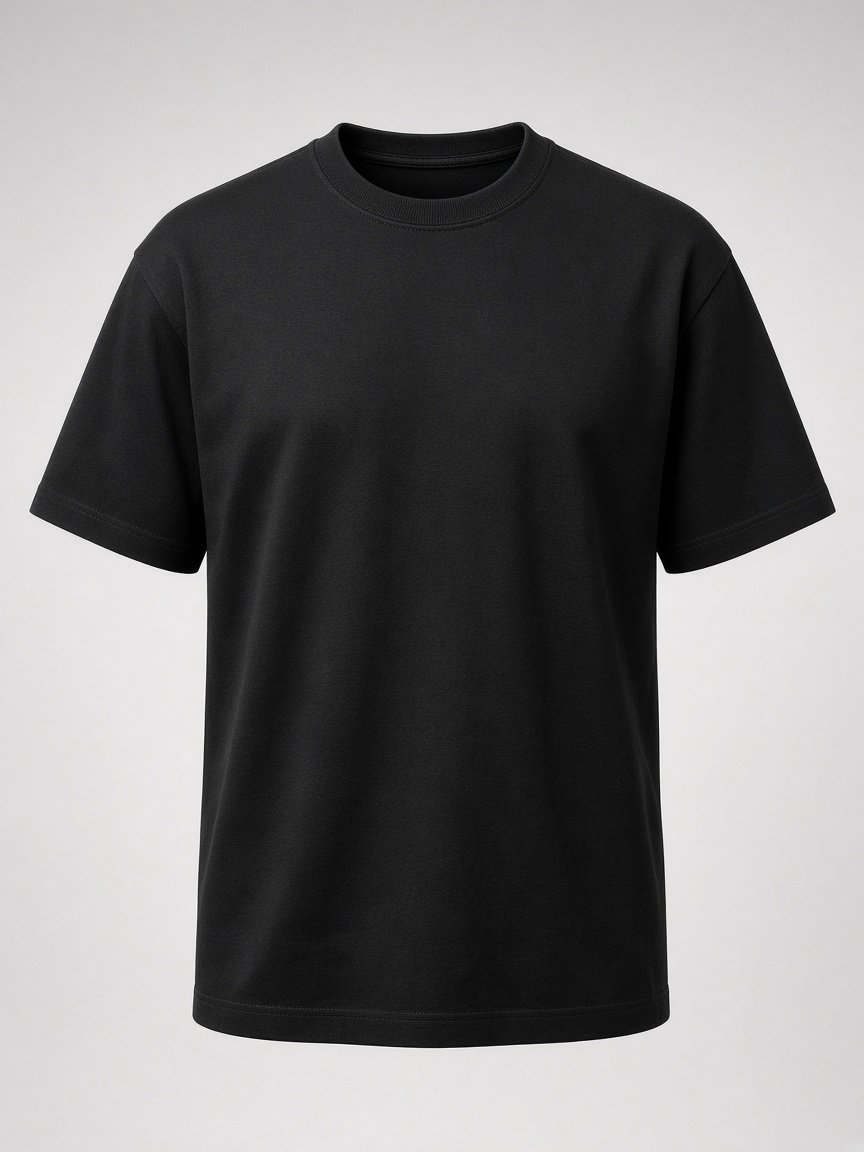
Fiber is only the first decision
“Cotton t-shirt” is not a specification. You still need knit type, yarn quality, GSM, and whether elastane is required for a fitted women’s tee. Two 100% cotton jerseys can feel unrelated.
Cotton is common for basics and printing. Cotton-elastane is common for fitted styles. Blends may be discussed for shrinkage or cost, but they change printing and care claims.
GSM without context is noisy
GSM tells you mass per area, not softness or drape. A heavier jersey can still feel cheap if the yarn is coarse. A lighter jersey can still work if the knit is stable and the pattern accounts for it.
When you inquire, give a target range and a reference garment if you have one. Do not copy a number from a marketing page and assume every mill matches it.
Fabric and decoration interact
Dark, heavy, or textured fabrics are not automatically compatible with every print method. DTG, DTF, and screen printing each have limits. Treat print method as configurable until the factory confirms it on your chosen fabric.
If you need a fitted women’s tee, discuss stretch recovery as well as print. A print that cracks on a stretch panel is a spec problem, not only an artwork problem.
What to put in the quote form
Fiber preference, GSM range if you have one, whether the tee is fitted or relaxed, and the decoration plan. If you have no preference, say “advise based on a retail basic tee” rather than leaving the field blank.
Continue on the site
Have a specification ready?
Send the garment type, quantity, destination, and any tech pack or artwork. A form submission is a manufacturing inquiry, not an order.
Request a manufacturing quote