Brand development
How to start a clothing brand without skipping the product work
A realistic sequence for launching a clothing brand: product definition, supplier conversations, sampling, and first-order planning.
Urban Stitch Wear editorial · Published 18 March 2026 · Updated 18 March 2026
Define one collection, not a whole store
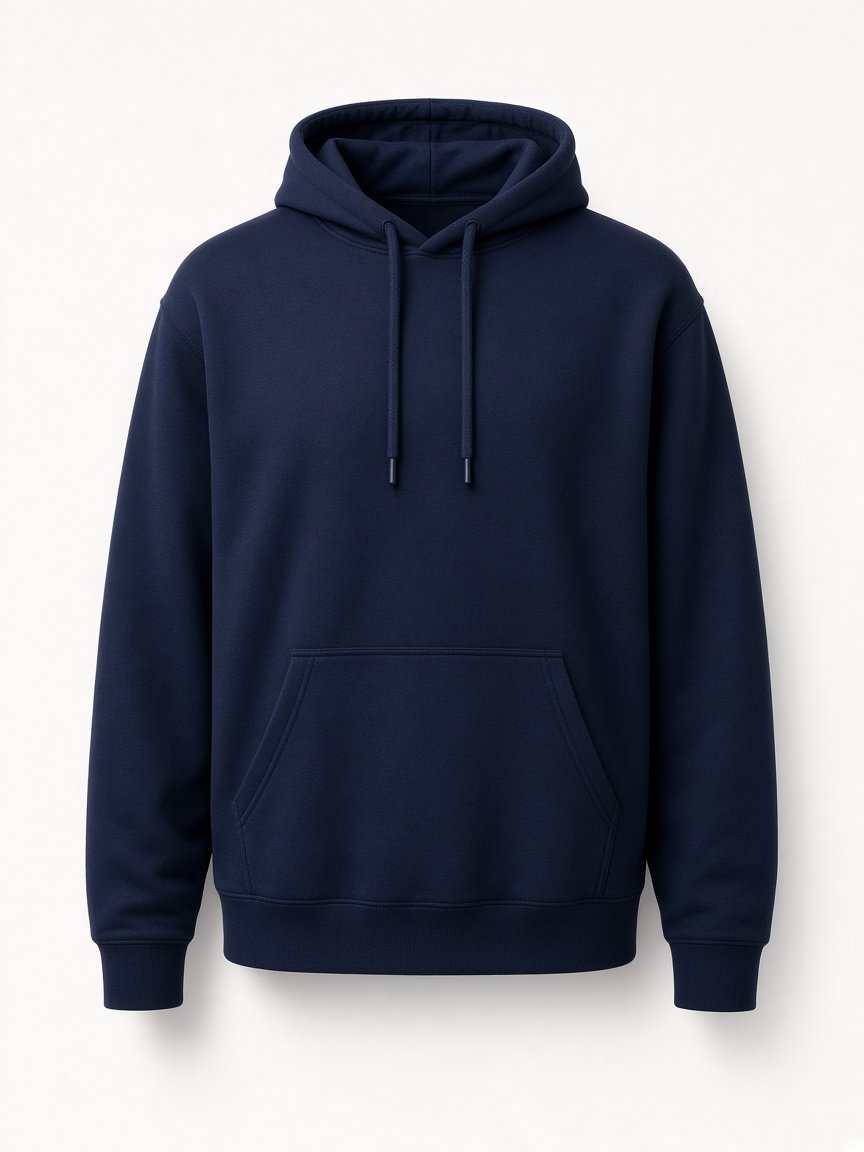
New brands often try to launch too many SKUs. A first line might be a tee and a hoodie, or a tracksuit set, with a limited color range. That is enough to test fit, demand, and your ability to describe a product to a factory.
Write the customer and the use: retail, e-commerce, teamwear, or promotional. Those channels change decoration, packing, and size runs.
Build a brief before you ask for prices
A manufacturer cannot quote a serious number from a moodboard alone. Include garment type, gender or fit, fabric direction, colors, estimated quantity, destination, and whether you need private-label trims.
If you do not know the fabric yet, say that. It is better than copying a competitor’s product page and assuming the mill is the same.
Budget for development, not only bulk
Sampling, artwork revisions, and label setup are part of starting a brand. If your plan only includes a bulk unit cost, you will feel blocked when a supplier asks you to approve a sample.
Urban Stitch Wear separates inquiry, specification, sampling, and production so a first-time brand can see the sequence before money is committed to bulk.
Legal and operational basics
Register the business in your market, decide who owns the brand name, and plan how returns or replacements will be handled. Those are not manufacturing tasks, but they affect labeling and customer promises.
Do not print care claims or origin claims you cannot support. Ask the supplier what they can document.
Continue on the site
Have a specification ready?
Send the garment type, quantity, destination, and any tech pack or artwork. A form submission is a manufacturing inquiry, not an order.
Request a manufacturing quote